Every roof tells a story about its environment, the owner’s priorities, and the crew that installed it. Nowhere is that more obvious than with metal. Pick the right material and a metal roof can pass a half-century of storms with little more than hose-and-brush cleanings and an occasional fastener check. Pick the wrong one and you might inherit oil-canning, early corrosion, noise you notice every time the rain starts, or repair headaches that cost more than the savings from the initial bid. The choice among steel, aluminum, and copper is not just a price conversation, it is a conversation about climate, architecture, maintenance appetite, and long-game economics.
I’ve specified, installed, and inspected each of these metals on homes, barns, coastal cottages, mountain cabins, and urban in-fills. No single winner fits every project. Understanding the trade-offs will make you a better steward of your budget and your building envelope, and it will make your conversations with metal roofing contractors far more productive.
What the environment asks of your roof
Metal behaves differently depending on what the sky and surroundings throw at it. Start with weather and work inward. Salt air is the great sorter. A steel panel that lasts 40 years in a dry, inland climate can begin to show edge creep and red rust in five to ten years along an exposed shoreline if you choose the wrong coating. Aluminum shrugs off salt, which is why so many coastal residential metal roofing projects specify it. Copper resists corrosion almost everywhere, but it can stain stone and stucco with runoff and will react badly to certain timber preservatives and dissimilar metals.
Temperature swings matter as well. Metals move with heat. Aluminum expands more than steel. On a long, low-slope roof with inadequate clip allowance, that expansion can telegraph as wrinkles or pry at fasteners. High-elevation UV exposure is another silent factor. A cheap paint system that looks good on day one can chalk and fade years earlier than a premium coating under the same sun.
Terrain also affects wind pressure. A hip roof in a suburban neighborhood experiences a different uplift profile than a broad gable facing open prairie. If you are in a hurricane or tornado zone, panel profile and gauge, clip design, fastener spacing, and the manufacturer’s wind ratings are just as important as the metal you choose. A good metal roofing company will model those loads and show you systems tested to meet them.
The heart of the decision: steel
When homeowners ask for “a metal roof,” most mean steel. It dominates the residential market because it balances cost, strength, and https://cruzpiyt376.wpsuo.com/specialized-metal-roofing-services-snow-guards-gutters-and-more finish options. But steel is not one thing. The performance depends on gauge, substrate coating, and paint.
Let’s start with gauge. Thicker panels feel more substantial under foot and are less prone to oil-canning, the rippling you notice on broad flat pans. For standing seam, 24 gauge is a sweet spot for many residential jobs. It is stiff enough to lay flat, looks crisp at hems, and can handle snow loads. Budget-driven projects sometimes use 26 gauge. It can work, especially on smaller panel widths and with striations to fight oil-canning, but I rarely recommend it for long, high-visibility slopes. For agricultural or utility buildings, heavier 22 gauge has its place, but it is overkill for most homes and adds cost and weight.
Next comes the substrate. Galvanized steel relies on a zinc coating to protect the base steel. Galvalume, a zinc-aluminum blend, tends to perform better in many environments and resists cut-edge corrosion. Both must be paired with the correct paint system, and both can fail prematurely in high-salt exposure if the system was never designed for coastal conditions. If you are within a mile or two of open salt water, ask your metal roofing contractors to confirm the warranty terms for your distance to surf. Manufacturers are explicit about these zones, and the fine print matters.
Paint chemistry shows up in two ways: aesthetics and longevity. Polyester systems save money upfront but chalk earlier and fade more. PVDF systems, often called Kynar, hold color and gloss far longer and shed dirt better. On projects where we want a matte look that hides imperfections and retains its tone even as the years add up, PVDF earns its keep. The difference becomes visible around year 8 to 12 in strong sun, sooner in high UV regions. Whether your roof is barn red or a tasteful charcoal, that aging curve changes the look of your home.
Installation details make or break steel. Hidden fastener standing seam systems, installed with the right clip and fastener schedule, handle thermal movement gracefully. Exposed fastener profiles bring down the price and are fine for outbuildings and some residential applications if you accept that fasteners and washers are maintenance items. A smart maintenance plan includes periodic walks (from a ladder or staged walkway, not free-roaming on panels) and targeted metal roofing repair for any backed-out screws, compromised washers, or sealant gaps.
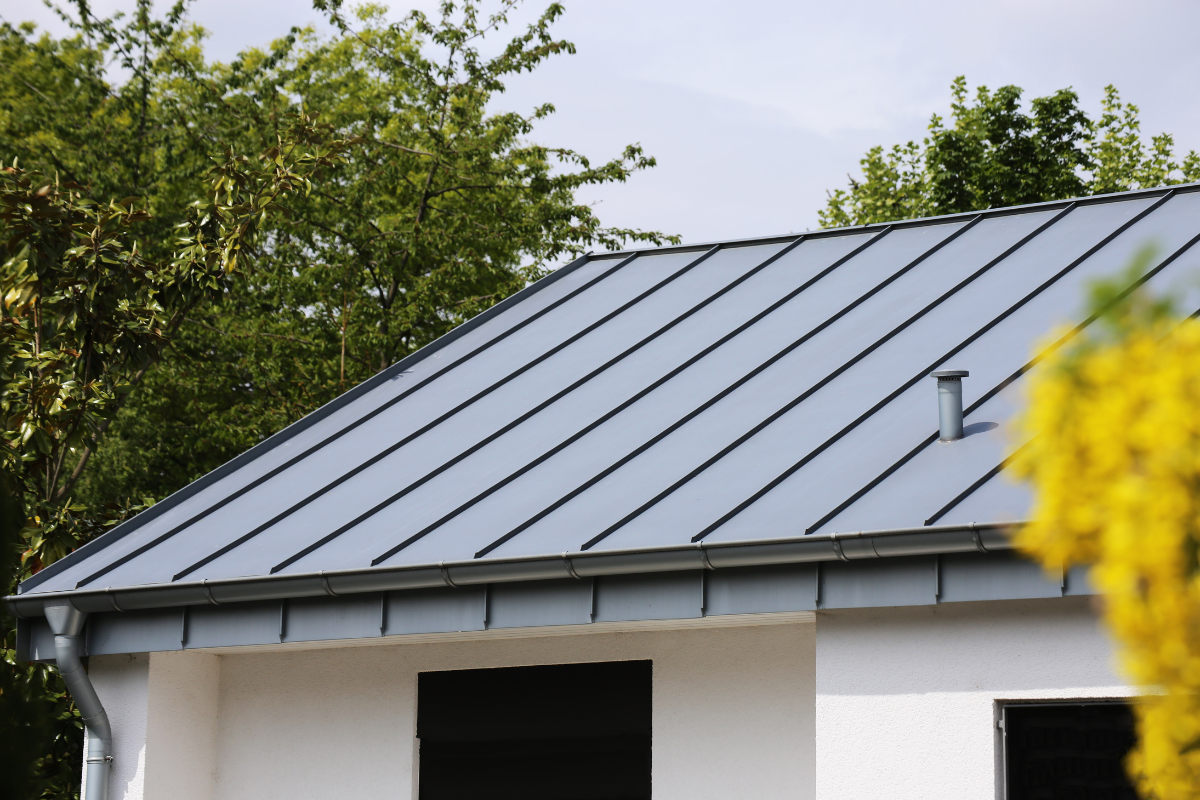
If you measure value by dollar per year of service in typical inland climates, steel is tough to beat. A 24 gauge galvalume panel with PVDF finish, installed over a high-temp synthetic underlayment and solid decking, can deliver 40 to 50 years with modest upkeep. It is the working professional of the category, quietly competent and widely supported by metal roofing services in most cities.
When aluminum earns the job
Aluminum’s reputation is built on its corrosion resistance and low weight. On the coast, it is my first call. I have replaced pitted, failing steel on homes where aluminum would have been the right answer from day one. Even with premium coatings, steel panels in heavy salt spray still face an uphill battle. Aluminum resists that environment with ease.
The weight advantage helps, too. An aluminum standing seam system is light enough to install over existing shingles in many cases, assuming the deck is sound and the local building department allows it. That can save tear-off labor and landfill fees, though I still prefer tear-off when budget permits so we can inspect flashing planes, correct substrate irregularities, and vent properly.
Aluminum moves more with temperature swings, which means your installer must allow for expansion and contraction. Good clip systems, longer slots at ridge cleats, and careful detailing at penetrations prevent binding. Panel width plays a role here. Narrower pans reduce visible oil-canning and distribute movement more evenly. We sometimes specify pencil ribs or striations in the flat of the panel to break up reflections, especially on low-slope, high-visibility roofs.
Paint systems mirror steel’s options. PVDF remains the standard for long-term color retention. Bare mill-finish aluminum has its fans, particularly on modernist architecture, but fingerprints, uneven oxidation, and patchy sheen can frustrate owners who expect uniformity. Coastal projects also need stainless fasteners and compatible accessories throughout. One galvanized strap or a cheap zinc-plated screw at a critical joint creates a galvanic couple that can stain or accelerate corrosion at that point. Your metal roofing company should supply a complete bill of materials that keeps the system chemistry consistent.
Cost-wise, aluminum usually lands above steel but below copper. The premium is often justified on the coast by longer service life and the absence of the red-rust failure mode. Inland, I still pick aluminum for certain designs where weight and movement characteristics suit the structure or where we need a highly formed profile that benefits from aluminum’s workability.
Copper as craft and investment
Copper roofs live in a different category. They are less a product choice and more an architectural decision. The metal softens into a patina that tells its own story, shifting from bright penny to brown, then green in the right conditions. That patina is self-healing and protective. When you see a century-old copper dome that still sheds water, you see the material’s promise.
The craftsmanship requirement for copper is higher. Seams are often soldered. Details are custom, not kit. Thermal movement must be mapped and released. Venting and underlayment choices matter, as copper can telegraph substrate inconsistencies. It also reacts with certain materials. Avoid contact with zinc, iron, and unprotected cedar or redwood that leach tannins, or you will see staining and possible deterioration. If your home has limestone or light stucco below the eaves, plan for how runoff will streak surfaces in the early years. Overflow paths from upper roofs to lower roofs need compatible metals to prevent galvanic issues.
The upfront cost can be two to four times that of a good steel system, sometimes more if the design includes curved bays, turrets, or compound transitions. But copper’s life cycle math looks different. With careful installation and periodic metal roofing repair limited mostly to flashings, fasteners at accessories, and the occasional re-solder, you can expect 70 years and often longer. Insurance carriers sometimes look favorably on its fire resistance. For historic districts or high-end residential metal roofing, it can be the correct, even economical, choice over a 60-year horizon.
I have seen owners drawn to copper’s warmth for entry canopies and dormers while using steel on main fields. This mix-and-match approach controls cost and adds visual depth. Done well, the metals are detailed to prevent galvanic interaction, and runoff paths are managed to avoid staining.
Profiles, movement, and noise
Material is one axis of the decision. Panel profile is another. Standing seam panels, with vertical ribs and concealed fasteners, are the standard for premium residential metal roofing. Snap-lock profiles simplify installation on simpler roofs, while mechanically seamed panels perform better on low slopes and in severe weather. Corrugated and ribbed panels, often with exposed fasteners, are robust and less expensive. They suit cabins, workshops, and some farmhouse designs, but the maintenance curve is steeper because each fastener is a potential leak point over time.
Metal expands when it heats up. Steel moves less than aluminum, copper lands between them. The longer the panel, the more the movement. Concealed clips allow panels to slide. Penetrations, like plumbing vents and stove flues, should be flashed with boots and curbs that accommodate movement, not fight it. I have been called to metal roofing repair jobs where a pristine panel field was undermined by a rigidly installed skylight whose frame buckled sealant seasons after install. Flexible thinking at these details saves headaches.
Noise is a frequent concern before installation and a non-issue afterward if the roof is built right. Rain on bare metal in a barn is loud. Rain on a residential assembly with solid decking, underlayment, attic insulation, and drywall is a soft hiss. If you want even more sound damping, a slip sheet or sound mat under the panels adds a few decibels of reduction. Loose fasteners, oil-canning, and metal-to-metal contact at ridge or eave can create ticking or popping as temperatures swing. Those are installation details, not material defects.
Coatings, colors, and curb appeal
A roof commands a large share of the facade. Color choice can make or mute a home. Dark graphite and matte black remain popular, and PVDF in low-gloss versions helps those colors read as architectural rather than shiny. In hot climates, consider “cool roof” finishes that reflect more infrared while still presenting as a darker visible color. The difference can be several degrees at the roof surface, which softens attic heat load and, in some homes, takes the edge off summer cooling costs.
Textured finishes help hide minor waves and foot traffic marks. They scatter light, which reduces glare on broad south faces. Beware of finishes that look powdery out of the crate. They can be more prone to dirt pickup and harder to clean. Always ask your metal roofing contractors to supply larger color chips or small formed samples so you can see the finish on a bend, not just a flat swatch.
Underlayment and the roof below the roof
Metal is the shield, but underlayment is the skin. Cheap felt under a premium roof is a mismatch. I specify synthetic underlayments with high temperature ratings, especially under darker metals and low slope sections where heat buildup is higher. In snow country or along eaves that see ice dams, peel-and-stick membranes at vulnerable zones are cheap insurance.
Ventilation deserves its own paragraph. A well-vented attic or a vented over-roof assembly reduces condensation and prolongs the life of the entire system. Metal panels can be installed over battens with vented spaces that pull in air at the eave and exhaust at the ridge. On cathedral ceilings or low-slope homes with minimal attic volume, that over-roof venting can be the difference between a roof that stays dry and one that sweats on cold nights.
Budget, lifespan, and the value curve
Price ranges move with metal markets, region, and complexity, but the relative positions are steady. Steel is most affordable for a given profile and coating. Aluminum commands a premium that often pencils out in coastal zones. Copper is a tier above both, with craftsmanship driving labor as much as material. Where owners sometimes stumble is looking only at installed price rather than service life and maintenance.
If you frame cost as dollars per year, a good steel standing seam system might land in the middle once you factor longevity. Aluminum in coastal settings often wins outright, because a less expensive steel job that needs replacement in 15 to 25 years is not actually cheaper. Copper can look expensive until you consider its 70-year potential and minimal repainting or recoating needs. Also account for insurance discounts in some regions for impact-resistant assemblies or high wind ratings.
Complex roofs add cost regardless of metal. Dormers, valleys, hips, and penetrations multiply flashing steps. Whenever an owner asks how to reduce cost without harming performance, I suggest simplifying roof geometry before downgrading metal or finish. A clean gable with a generous overhang and straightforward eaves will wear any metal better than a fussy roof with tricky details that demand hours of labor and leave more places for mistakes.
What to ask your metal roofing company
The best tool a homeowner has is a set of focused questions. The answers reveal whether a contractor is selling commodity panels or building a roof system tuned to your home and climate.
- Which metal and gauge do you recommend for my location, and why? Please reference coastal distance or freeze-thaw cycles if relevant. What substrate and paint system are on the panels? Confirm PVDF vs. SMP, Galvalume vs. galvanized, and warranty terms that apply to my address. How does your installation account for thermal movement on panels of this length? Describe clips, expansion joints, and penetration details. What is your plan for underlayment, ventilation, and ice dam protection? Show the assembly layers and materials by brand and rating. If a future metal roofing repair is needed, how do you service concealed fastener systems without compromising panels?
Keep the list short and direct. A qualified team will answer comfortably and provide documentation. If a bid is vague on coatings or glosses over wind and fire ratings, press for specifics or keep shopping.
Maintenance realities by metal
No roof is maintenance-free. Metal simply shifts maintenance away from resurfacing and toward periodic inspection.
Steel wants clean gutters and a yearly check of sealants in high-movement areas. If your system uses exposed fasteners on an outbuilding, plan on checking and selectively replacing washers every eight to ten years. PVDF finishes resist chalking and are easy to wash with mild detergent. Avoid abrasive tools or harsh chemicals that can dull the sheen.
Aluminum asks for dissimilar metal discipline. If you add a satellite dish or a solar array later, make sure the hardware and mounting system are compatible. Salt crystals rinse off more readily on smoother finishes. In exposed marine zones, an annual hose-down after the dry season keeps grit from abrading the paint over time.
Copper’s maintenance is part restraint, part craft. Do not pressure-wash a developing patina. It needs time and moisture cycles to even out. If a soldered seam opens, hire a craftsperson who knows copper work, not a general roofer with a tube of sealant. Patina accelerators and cleaners can cause blotchy results if not applied uniformly.
Regardless of metal, avoid walking freely on panels. Use foam pads or roof jacks and staged planks. If you must go up, step near ribs over supports and avoid heels or sharp tools that can dent pans or scratch finishes.
Energy, insulation, and comfort
Metal roofs reflect solar radiation more effectively than dark asphalt shingles, especially with cool roof coatings. On hot days, I have measured surface temperature differences of 10 to 20 degrees Fahrenheit between a cool PVDF metal panel and a standard dark shingle of similar color. That difference does not magically erase attic heat, but it helps. The real gains come from continuous insulation and a ventilated assembly. A reflective roof over an unvented, under-insulated attic still bakes the living space.
In cold climates, metal sheds snow predictably. That predictability needs management. Install snow guards above entries and along sidewalks. Secure gutters to framing, not just fascia, and consider larger downspouts to handle rapid melt-off events. The snow management package is part of the system, not an accessory afterthought.
Fire, hail, and insurance considerations
Metal does not burn. That matters in wildfire zones where ember resistance and Class A assemblies can influence both safety and insurability. In hail country, panel profile and substrate play a role. Thicker steel resists denting better than thin, and a textured finish hides small impacts. Aluminum is softer and can show hail dents more readily, though it will not crack like some brittle shingles. Hail ratings test puncture resistance, not cosmetic denting. Review policy language about cosmetic damage so you know how claims will be handled.
Retrofitting over shingles or starting clean
Many residential metal roofing projects go over a single layer of shingles. The advantages are clear: less tear-off cost, shorter schedule, and fewer dumpster days in the driveway. The trade-offs include hidden deck issues that remain hidden, trapped heat if ventilation is poor, and a slightly less crisp finished surface if the old shingles telegraph bumps. A slip sheet or foam spacer can smooth things, and a skilled crew can make the roof look clean. If the deck is suspect, or if condensation is a risk, tearing off and starting fresh is better stewardship in the long run.
When repairs show up years later
Good metal roofs rarely fail suddenly. Most metal roofing repair calls I see involve small details: a boot that aged out around a vent, a ridge cap where wind lifted one leg, or a valley where debris held water and stained the finish. The repair strategy is surgical. Replace the boot, resecure the cap with new butyl and fasteners, clean the valley and add a leaf screen if trees are close. Sometimes we find galvanic anomalies where a later trade introduced a conflicting metal. Correcting those small errors prevents bigger issues.
One note on storm chasers: after a hail or wind event, out-of-town crews often offer quick metal roofing services at attractive prices. Some are honest and capable. Many are not. Work with established local firms that will answer the phone five years from now.
Matching material to project type
Patterns emerge if you look across hundreds of installs.
- Inland suburban home with gables and a moderate budget: 24 gauge steel standing seam with PVDF finish, vented ridge, and synthetic underlayment. Coastal cottage within a mile of surf: aluminum standing seam with stainless clips and fasteners, PVDF finish, careful detailing at penetrations, and a maintenance rinse plan. Historic renovation with a prominent turret and porch: copper with soldered seams, build-up underlayments, and tradespeople comfortable with traditional techniques.
These are not rules, they are starting points. Architecture, homeowner preference, and the local pool of installers matter. The right answer is the system your local pros can build to specification reliably and stand behind.
Working with the right team
The contractor’s competence is a bigger predictor of success than material choice. Ask to see local jobs that are at least five years old. Look closely at penetrations, valleys, and rake edges. Talk with owners about how the roof has aged and what service support looked like. A reputable metal roofing company will have portfolios and references. They will talk openly about mistakes they saw earlier in their careers and how their details changed because of it. That humility is a good sign.
Written scope documents should include panel profile and width, gauge, metal and substrate, paint system, underlayment type, fastener schedule, clip type, flashing materials, ventilation strategy, and accessory brands. Vague scopes invite corner-cutting. The bid that omits these details is not lower, it is incomplete.
The bottom line
Steel, aluminum, and copper each excel when matched to the right place and purpose. Steel is the all-rounder that delivers sharp looks and strong value across most climates. Aluminum is the coastal specialist and the light-footed choice for sensitive structures. Copper is craft, patina, and century-grade resilience for owners who value those qualities.
The smartest path is not guessing, it is testing your assumptions against your site, your budget, and the skills of your local installers. Spend time up front with experienced metal roofing contractors. Ask precise questions, push for system-level thinking, and resist the urge to shave cost by eroding the hidden parts of the assembly. Buy the roof your home asks for, not the roof a spreadsheet favors on day one. Years from now, when a winter storm rattles the windows and the roof sits quiet, tight, and beautiful above you, the decision will feel obvious.
Edwin's Roofing and Gutters PLLC
4702 W Ohio St, Chicago, IL 60644
(872) 214-5081
Website: https://edwinroofing.expert/
Edwin's Roofing and Gutters PLLC
Edwin's Roofing and Gutters PLLCEdwin Roofing and Gutters PLLC offers roofing, gutter, chimney, siding, and skylight services, including roof repair, replacement, inspections, gutter installation, chimney repair, siding installation, and more. With over 10 years of experience, the company provides exceptional workmanship and outstanding customer service.
https://www.edwinroofing.expert/(872) 214-5081
View on Google Maps
Business Hours
- Monday: 06:00–22:00
- Tuesday: 06:00–22:00
- Wednesday: 06:00–22:00
- Thursday: 06:00–22:00
- Friday: 06:00–22:00
- Saturday: 06:00–22:00
- Sunday: Closed